

What Factors Affect the Final Results of Facelift in Islamabad?
People often assume that the final appearance after facial rejuvenation depends entirely on the surgeon's technique. While surgical planning is extremely important, several other factors can influence how the face heals and how long the improvement remains noticeable. Anyone considering Facelift in Islamabad should understand that the outcome is influenced by skin quality, facial anatomy, lifestyle, healing response, and realistic expectations. Looking at these factors before surgery can help patients understand why results can differ from one individual to another.
Skin Quality and Elasticity
The condition of the skin is an important consideration.
Skin with better elasticity may respond differently to repositioning than skin that has experienced significant sun damage or has become very thin and loose.
A surgeon assesses skin quality during consultation and uses this information when discussing what kind of improvement may be achievable.
Facial Anatomy Is Individual
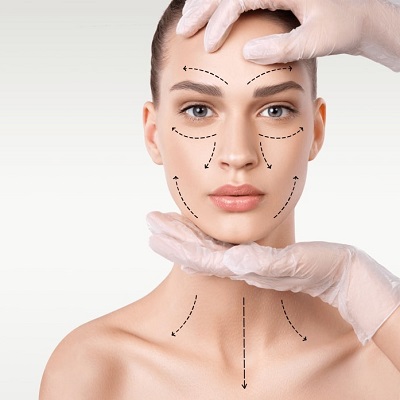
Every face has its own structure.
Bone shape, tissue distribution, skin thickness, and natural facial proportions can affect both surgical planning and the eventual appearance.
This is why copying another person's facelift result is unrealistic. A technique that works well for one face may need modification for another.
The Degree of Sagging Matters
The starting point also influences the visible change.
Someone with moderate laxity may experience a different transformation from someone with more advanced tissue descent. The surgeon needs to understand exactly where the aging changes are occurring before developing a treatment plan.
Healing Response Can Vary
Recovery is not identical for everyone.
Swelling, bruising, scar maturation, and tissue settling can progress at different rates. Some patients may see their features settle relatively quickly, while others need more time.
Early photographs should therefore not be used to judge the final outcome.
Lifestyle Can Influence Skin Aging
Lifestyle habits can affect the condition of the skin over time.
Smoking, excessive sun exposure, and inadequate protection from ultraviolet radiation can contribute to premature skin changes. Patients can support long-term skin health by following appropriate professional advice and protecting their skin from unnecessary environmental damage.
Weight Stability May Matter
Significant weight changes can affect facial volume and contour.
Major weight loss after surgery may alter the appearance of the face, while substantial weight gain can also change facial fullness.
For this reason, patients should discuss expected weight changes with their surgeon before treatment.
Following Aftercare Instructions
Post-operative care is another important component.
Patients need to follow instructions about wound care, medications, activity, sleeping position, and follow-up appointments.
Ignoring restrictions or returning to strenuous activities too early may interfere with recovery.
Expectations Influence Satisfaction
A technically successful procedure does not guarantee satisfaction if the patient's expectations are unrealistic.
Patients should understand that a facelift improves selected signs of aging rather than creating permanent youth. Discussing the desired level of correction before surgery can help establish a realistic target.
Final Thoughts
Facelift outcomes depend on much more than the operation itself. Skin quality, anatomy, degree of laxity, healing, lifestyle, weight stability, aftercare, and expectations can all contribute to the final appearance. A thorough consultation allows these factors to be considered before treatment and helps patients understand what results are realistically achievable.