

How Can NYC Residents Keep Their Apartments Clean When Bringing Home Secondhand Furniture?
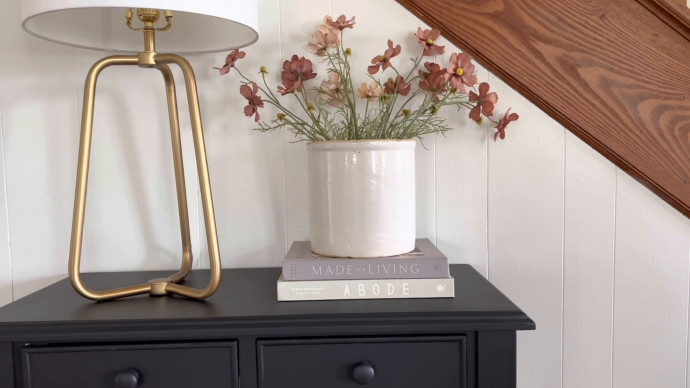
Buying secondhand furniture is a practical way to furnish a New York City apartment without spending too much. A used table, bookshelf, sofa, or bedside cabinet can fit perfectly into a small space. However, furniture that looks clean in a store or online listing may still carry dust, stains, odors, or hidden dirt. NYC Cleaning Servicehelps New York City residents keep their homes clean and comfortable with professional home cleaning support.
Before placing a used item in your apartment, take time to inspect it, clean it properly, and decide whether it is safe to bring indoors. A little preparation can help protect your floors, belongings, and living space.
Why Should You Clean Secondhand Furniture Before Using It?
Used furniture passes through different homes, storage units, moving trucks, and resale shops. During that time, it may collect dust, pet hair, food crumbs, and other debris.
A wooden dresser may have a layer of grime around its handles. A used sofa may hold dust deep inside its cushions. Even a bookshelf that looks spotless can have dirt along its back panel and underneath its shelves.
Some items may also have lingering odors from cooking, smoke, pets, or damp storage. These smells can become more noticeable once the furniture is inside a small apartment with limited airflow.
Cleaning furniture before use helps remove surface dirt and gives you a chance to spot problems that were not obvious during the purchase. It also prevents you from carrying unnecessary mess into a freshly cleaned room.
How Can You Inspect Used Furniture Before Bringing It Home?
Start with a careful inspection before paying for the item or arranging delivery. Look at the furniture in good lighting, and do not focus only on the visible front and top surfaces.
For wooden furniture, check the drawers, joints, undersides, and back panels. Look for water stains, swollen wood, loose parts, and signs of pest activity. Open every drawer and inspect the corners where dust and debris may collect.
Upholstered furniture needs even closer attention. Examine seams, folds, cushion covers, and the underside of the frame. Look for tiny dark spots, shed insect skins, unusual stains, or other signs that may suggest a pest problem.
Bed frames, headboards, and bedside furniture deserve special care because they may have been kept close to sleeping areas. If you notice possible signs of bedbugs, do not bring the item into your apartment until the concern has been properly assessed.
Check for musty smells, too. A strong damp odor may indicate that the item was stored in a wet basement or other humid location. Cleaning the outside will not fix damage or contamination hidden inside the material.
If the furniture looks badly damaged, has unexplained stains, or shows signs of pests, walking away may be safer and cheaper than trying to restore it.
What Is the Best Way to Clean Wooden Furniture?
Wooden tables, chairs, cabinets, and shelves are often easier to clean than upholstered items, but the finish matters.
First, remove loose dust with a soft microfiber cloth. Start at the top and work down so that falling dust does not settle on areas you have already cleaned.
For ordinary dirt, use a cloth lightly dampened with a cleaner suitable for the furniture's finish. Wipe gently, then dry the surface with a clean cloth. Avoid soaking the wood because excess moisture can damage the finish or cause swelling.
Pay special attention to handles, drawer edges, legs, and decorative grooves. These areas often collect fingerprints and grime.
If the furniture has a waxed, unfinished, or delicate surface, check the manufacturer's care instructions when available. Test any cleaner on a hidden spot first. Avoid abrasive pads that may scratch the finish.
For drawers and shelves, remove all loose debris before wiping the interior. Let each section dry fully before placing clothing, books, or household items inside.
If you plan to repaint or refinish the furniture, clean it first and follow the product instructions for surface preparation. Do not apply a new finish over dirt or grease.
How Should You Clean a Used Sofa or Armchair?
Upholstered furniture can be more difficult because dirt may sit beneath the surface. The right method depends on the fabric and its care label.
Begin by removing cushions and checking the areas underneath them. Use a vacuum with an upholstery attachment to collect loose dust, crumbs, and hair. Move slowly along seams and creases where debris often gathers.
Check the cleaning instructions before using water or a cleaning solution. Some fabrics tolerate water-based cleaning, while others require solvent-based products or professional care. If the label is missing, test a small hidden area before treating a visible section.
Do not soak the fabric. Too much moisture can reach the padding and take a long time to dry. It may also leave water marks or create an unpleasant smell.
For a small surface stain, follow the fabric's care instructions and use a suitable upholstery cleaner. Blot gently instead of rubbing hard, which can spread the stain or damage the fibers.
If the sofa has a persistent musty smell, heavy staining, or suspected pest activity, consider professional assessment before use. A household vacuum and surface spray may not reach the problem inside the cushions.
How Can You Clean Furniture Without Spreading Dust Around Your Apartment?
New York City apartments often have limited floor space. Cleaning a large piece of furniture indoors can send dust onto nearby bedding, rugs, kitchen surfaces, and clothing.
Whenever possible, inspect and clean the item in a suitable outdoor area or a well-ventilated space before placing it in the room. Do not block building hallways or shared entrances while working.
If you must clean the furniture indoors, move nearby belongings out of the way first. Cover the floor with a suitable protective sheet if needed, and keep the item away from clean bedding or food preparation areas.
Use a vacuum with an appropriate attachment for loose dust rather than blowing dust into the air. Wipe hard surfaces with a microfiber cloth and collect debris as you work.
After cleaning the furniture, vacuum or mop the surrounding floor. Wipe nearby surfaces that may have collected dust during the process, and wash reusable cloths before using them elsewhere.
Once the item is dry, place it in its intended location and leave enough room to clean around it. Furniture pushed tightly against every wall can make routine dust removal harder.
What Should You Do About Odors and Stains?
Not every odor comes from dirt on the surface. Smoke, pet accidents, food spills, and damp storage can leave smells deep inside fabric, foam, or unfinished wood.
Start by identifying the likely source. A removable cushion cover may be washable, while a stained wooden surface may need a cleaner designed for that finish.
For mild odors, allowing the furniture to air out in a dry, ventilated space may help. Follow the care label and avoid placing delicate materials in direct sunlight if it could cause fading or damage.
Do not spray large amounts of fragrance over an unpleasant smell. This may only cover it temporarily, and it can leave another strong scent in a small room.
Never mix cleaning products. In particular, mixing bleach with ammonia or acidic cleaners can release dangerous gases.
If a stain has soaked into the padding or a damp smell returns after cleaning, the problem may need specialist treatment. Some items are not worth restoring if the source of the odor cannot be removed safely.
How Can You Keep Your Apartment Clean After Adding Used Furniture?
Once the furniture is clean and dry, make a few simple habits part of your routine.
Dust tables, shelves, and cabinet tops regularly. Vacuum upholstered furniture according to how often it is used, especially if pets or children live in the apartment. Wipe handles and other frequently touched surfaces when they become dirty.
Avoid filling every open space with storage boxes and decorative items. Keeping some room around furniture makes it easier to reach corners, clean floors, and spot new stains or damage.
If you are furnishing several rooms at once, clean one item at a time rather than bringing everything inside before inspection. This approach reduces clutter and makes it easier to keep track of which items have been checked.
For a larger cleaning job, professional home cleaning can help refresh the apartment after furniture delivery and setup. Residents can visit https://www.nyc-cleaningservice.com/to learn more about cleaning support in New York City.
Final Thoughts
Secondhand furniture can be a smart choice for NYC apartment living, but a low price should not mean skipping inspection and cleaning. Check each item carefully, choose a cleaning method that suits its material, and allow it to dry before bringing it into regular use.
If you find signs of pests, deep moisture damage, or contamination, deal with the problem before the furniture enters your home. A careful start can help you enjoy your new purchase while keeping your apartment cleaner and more comfortable.
About NYC Cleaning Service
NYC Cleaning Service provides home cleaning support for residents across New York City.
Business Name: NYC Cleaning Service
Address: 2760 Broadway, Ste 2764 New York, NY 10025, USA
Email: support@nyc-cleaningservice.com
Website: https://www.nyc-cleaningservice.com
Phone: +1 212-845-9931